What the buyer specifies
- Current technical specification or tender reference
- Total and available N, P and K analysis and tolerances
- Sulphur, zinc, boron and other micronutrient levels
- Permitted nutrient sources and chloride limits
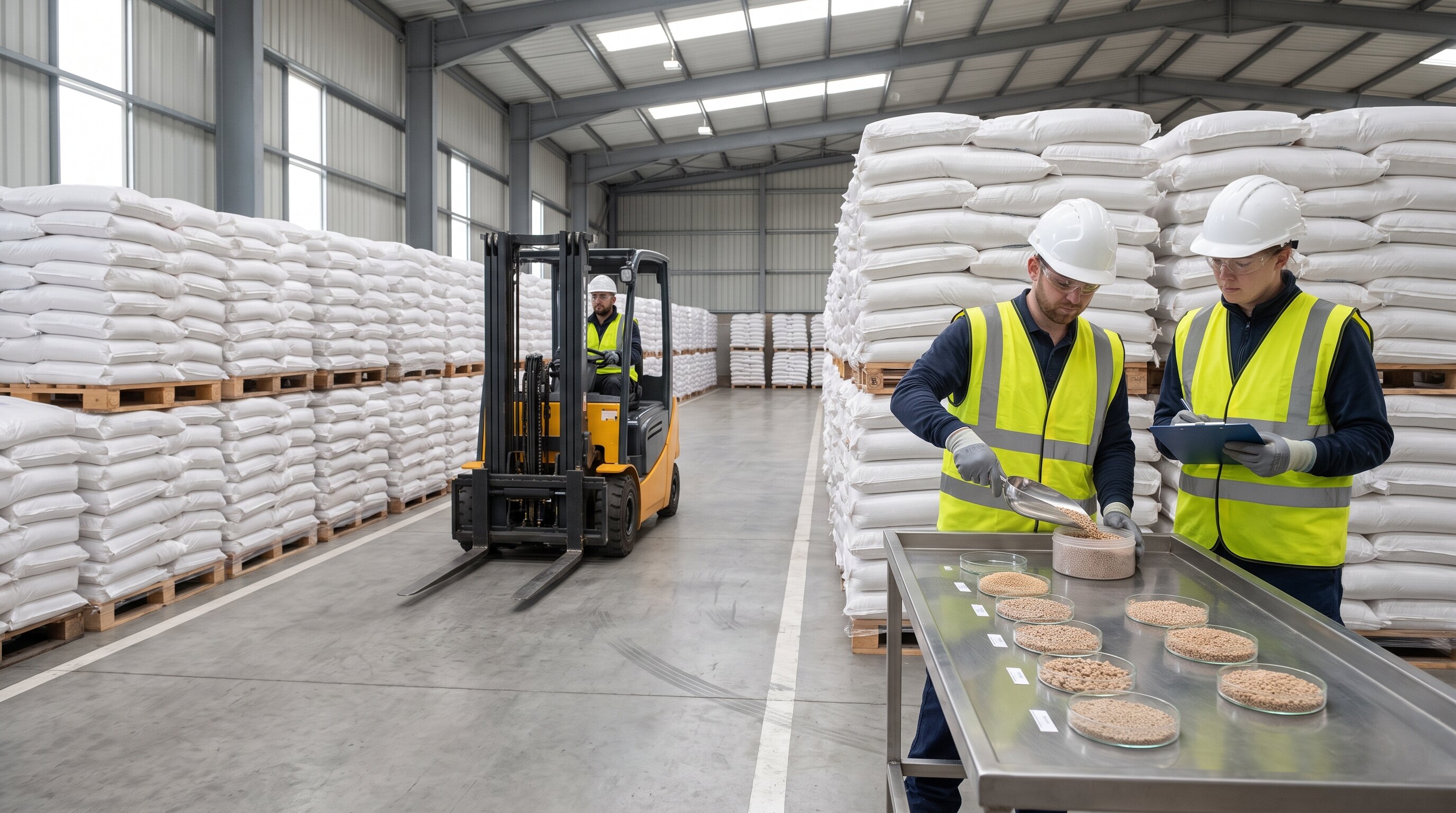
- Granule size, strength, moisture, coating and caking limits
- Bag size, markings, palletisation and delivery schedule
- Quantity, destination, delivery rule, inspection and registration
The 26:5:5 designation alone does not establish compliance with a tea programme or tender. The live offer and final contract must reproduce the current buyer specification.
Origin and formulation planning
Suitable origins are assessed against the buyer’s specification, quantity, shipment window, destination and landed economics. The live offer identifies the proposed producer or seller, country of origin, load point, quantity and route.
Each proposed transaction is reviewed using the actual origin, counterparties, banks, vessel or carrier, route and destination.
A formulation may combine inputs from more than one declared, agreed and legally permissible origin. The producer or blender, component origins and formulation site are disclosed and agreed for the transaction.
The parties select the appropriate Incoterms® 2020 rule only after confirming the transport mode and exact named port or place.
Tender, inspection and destination requirements
Where a public or private tender applies, bid security, performance security, payment, delivery schedule, testing and qualification requirements come only from the current tender and resulting contract. Sarpah may coordinate introductions and documents but does not issue bank instruments or guarantee a bid or award.
Documents may include component and final-blend certificates of analysis, certificate or certificates of origin, safety data, independent inspection, weight evidence and transport documents.
Product, import, inspection, customs and documentation requirements are confirmed for the actual destination, importer and declared end use.