Origin and Route Assessment
Transaction-specific guides for evaluating proposed Black Sea, Baltic, Caspian and Far East sourcing and routing structures
 01
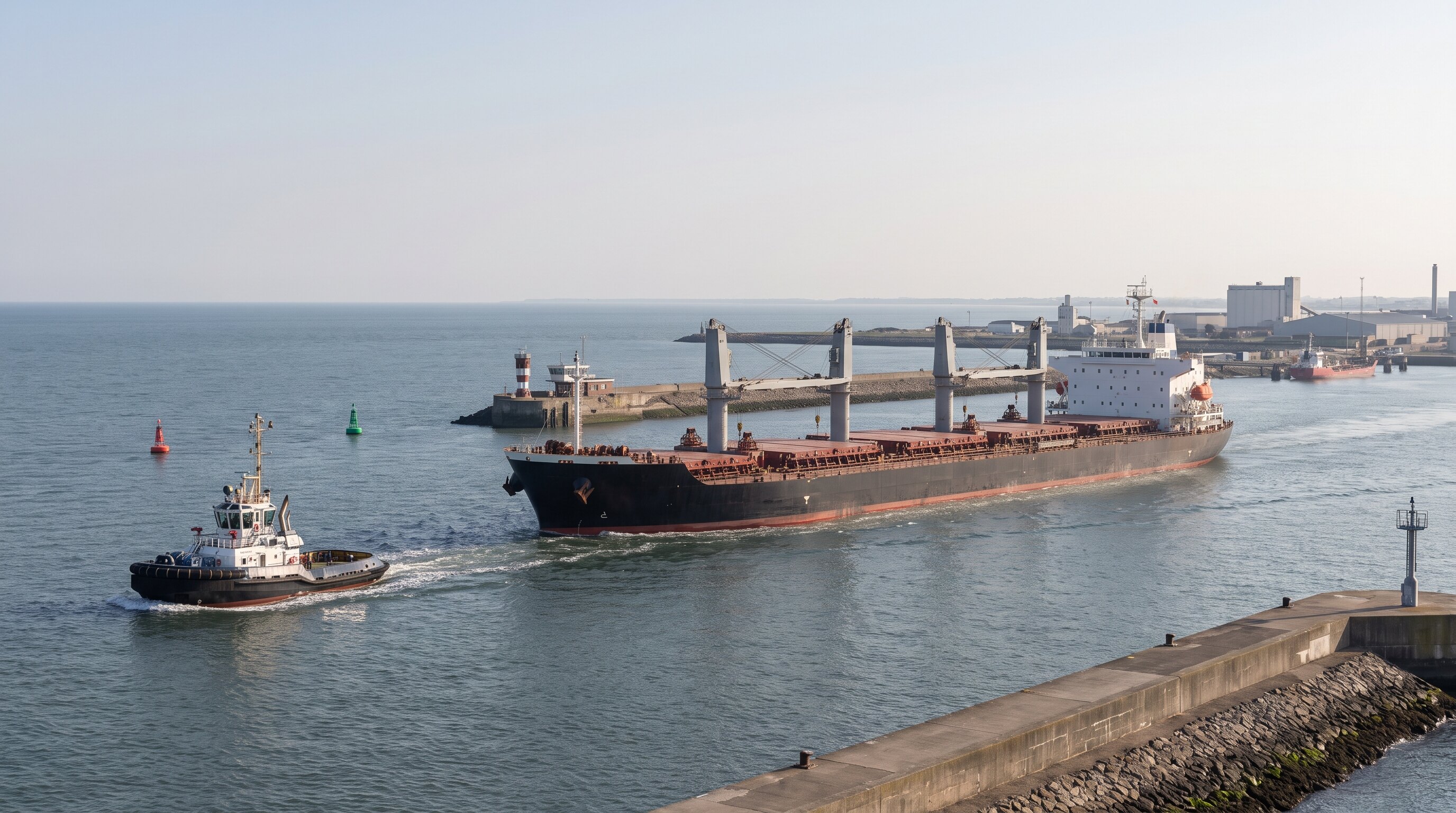
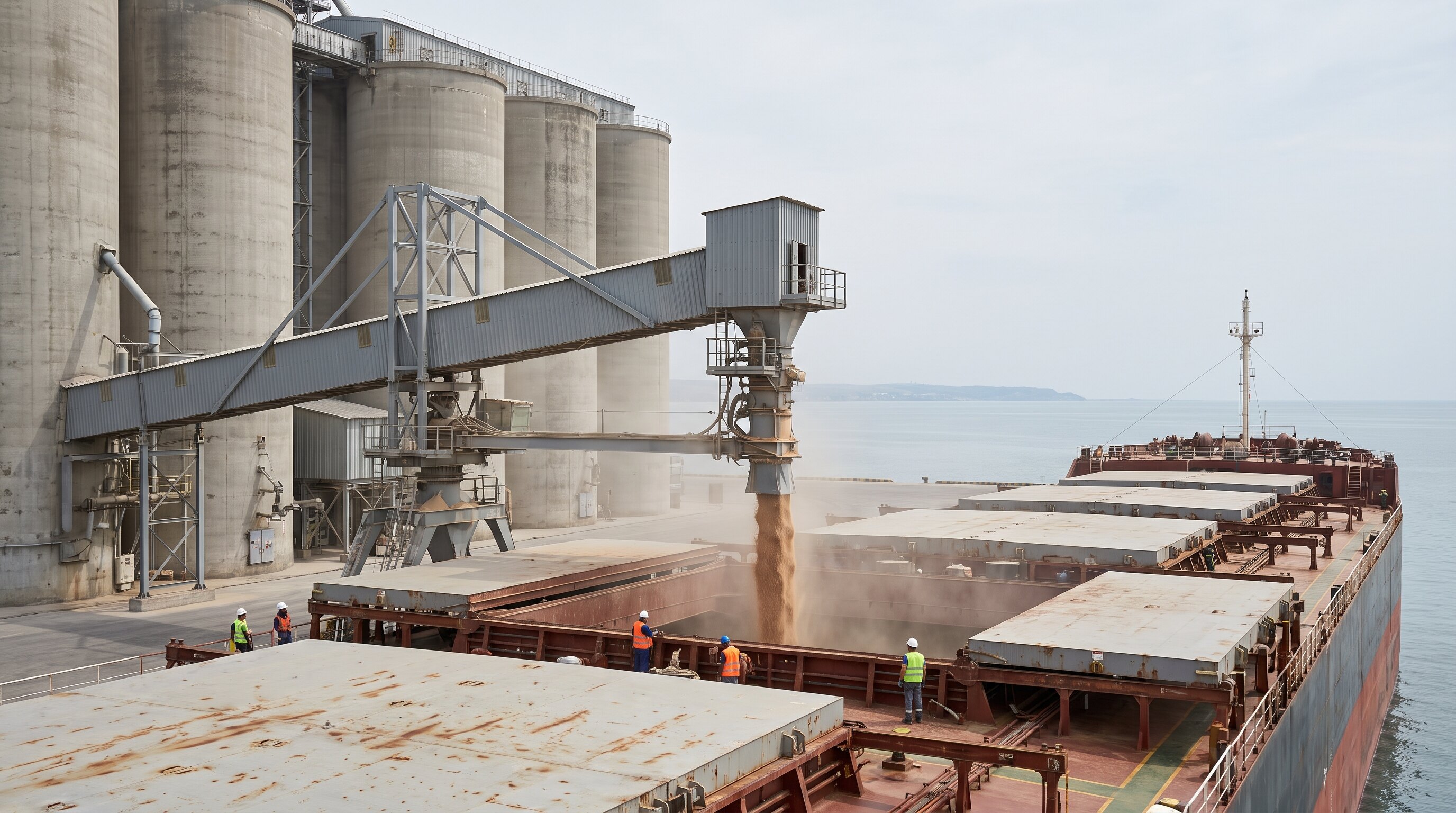
01Black Sea Route Assessment
Transaction-specific sourcing and routing assessment around Black Sea load areas
Read the assessment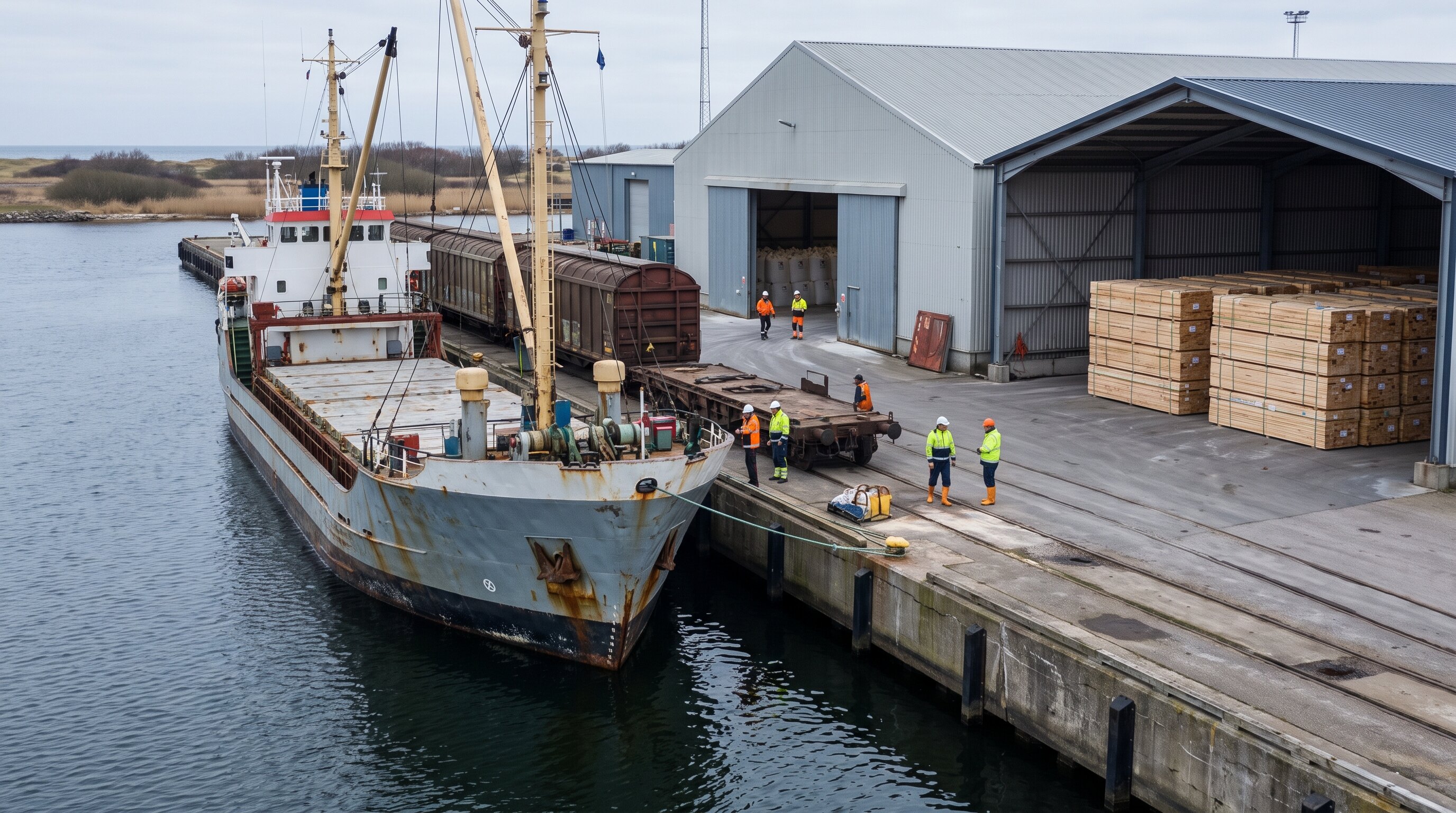 02
02Baltic Route Assessment
Transaction-specific sourcing and routing assessment around Baltic load areas
Read the assessment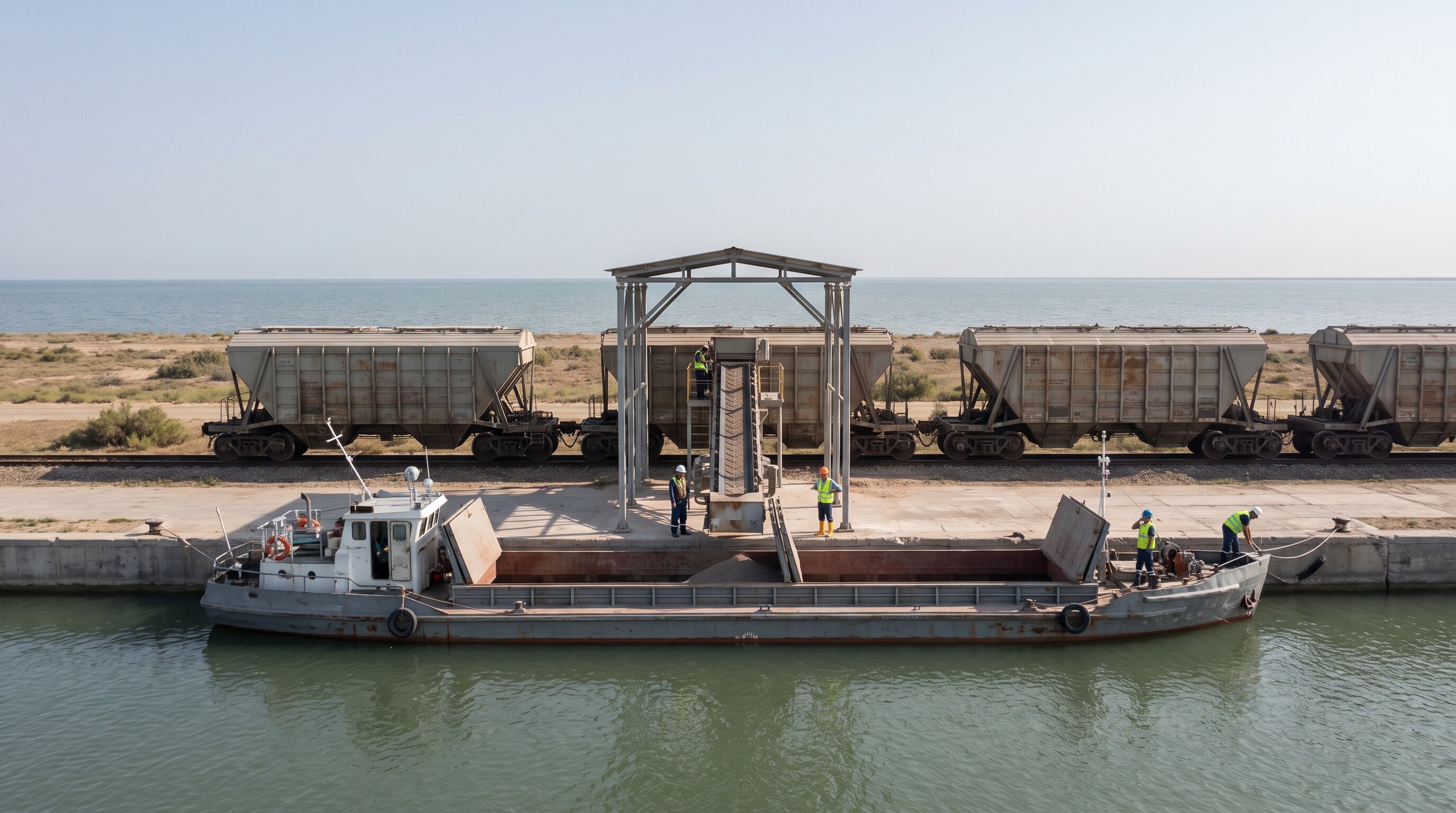 03
03Caspian Route Assessment
Transaction-specific sourcing and multimodal routing assessment around the Caspian
Read the assessment 04
04Far East Route Assessment
Transaction-specific sourcing and routing assessment for proposed Asian and Pacific load areas
Read the assessmentGuides for transaction-specific sourcing
Sarpah sources across suitable origins and coordinates international trade to agreed destinations. The guides below explain how proposed Black Sea, Baltic, Caspian and Far East structures are assessed. Every named origin or transit arrangement requires evidence in the live file.
Availability, route, price and compliance status change. The authorised seller and relevant service providers must confirm producer authority, port and vessel feasibility, and cargo availability for each transaction.
Corridor overview
| Route guide | Proposed origin or transit areas | Products a live proposal may cover | Main assessment questions |
|---|---|---|---|
| Black Sea | Russia, Georgia, Romania and connected inland origins | Grain, fertilizer, pulses and edible oils | Port and terminal status, vessel availability, war-risk conditions, transit permissions |
| Baltic | Russian Baltic and connected inland origins | Grain, fertilizer, timber and general cargo | Berth and operator identity, seasonal freight, sanctions and service availability |
| Caspian | Kazakhstan, Uzbekistan and connected inland origins | Fertilizer, grain and selected industrial products | Inland transfer, trans-shipment, canal seasonality, sanctions-sensitive transit options |
| Far East | Russian Far East, China and Asian transit hubs | Fertilizer, timber and selected industrial commodities | Long-haul freight, trans-shipment, origin-specific inspection and bank acceptance |
How a route is selected
The route follows the transaction. Relevant inputs include:
- Product specification, declared origin preferences or exclusions, and legally permissible route options
- Evidence of seller authority and confirmed availability
- Load point, parcel size and vessel or container options
- Destination and required delivery rule with named place
- Inspection, certification and document requirements
- Current port, transit, insurance and security conditions
- Counterparty, ownership, vessel, bank and service-provider review
- Total landed economics and shipment window
Each corridor is assessed for legal permissibility, bank and insurer acceptance, operational feasibility and timing using the actual parties, route, services, destination and date of review.
Transaction-specific origin review
A product may be outside a broad prohibition while a counterparty, owner, bank, vessel, port, currency route or related service is restricted. Each proposed transaction therefore requires current screening and professional advice where needed.
Sarpah coordinates information for that review but does not issue a sanctions opinion or bind a bank, insurer, carrier or authority.
Destination planning
These corridors can be evaluated for agreed international destinations. The agreed destination and its current product, import, inspection, customs and documentation requirements determine each shipment.
Request a corridor assessment
Send the commodity, specification, quantity, declared preferred, acceptable or excluded origins, destination, named delivery place, shipment window and proposed payment structure. State that origin is open if you want alternatives compared.