What the buyer specifies
- Intended flour, bread or processing use
- Protein level and measurement basis
- Test weight, moisture, falling number, gluten and dough-performance parameters
- Foreign matter, damaged grain, pesticide residue and mycotoxin limits
- Crop year, quantity and shipment programme
- Destination, delivery rule, inspection, sampling and payment structure
Protein level is not a guarantee of baking performance. Feed-designated wheat must not be assumed suitable for human-food milling.
Origin and delivery planning
Suitable origins are assessed against the buyer’s specification, quantity, shipment window, destination and landed economics. The live offer identifies the proposed producer or seller, country of origin, load point, quantity and route.
Each proposed transaction is reviewed using the actual origin, counterparties, banks, vessel or carrier, route and destination.
The parties select the appropriate Incoterms® 2020 rule only after confirming the transport mode and exact named port or place.
Transaction review and documents
The proposed grain transaction requires current review of the product, counterparties, ownership and control, banks, payment route, vessel, port, carrier, insurer and applicable jurisdictions. No route is treated as automatically lawful, bankable or insurable.
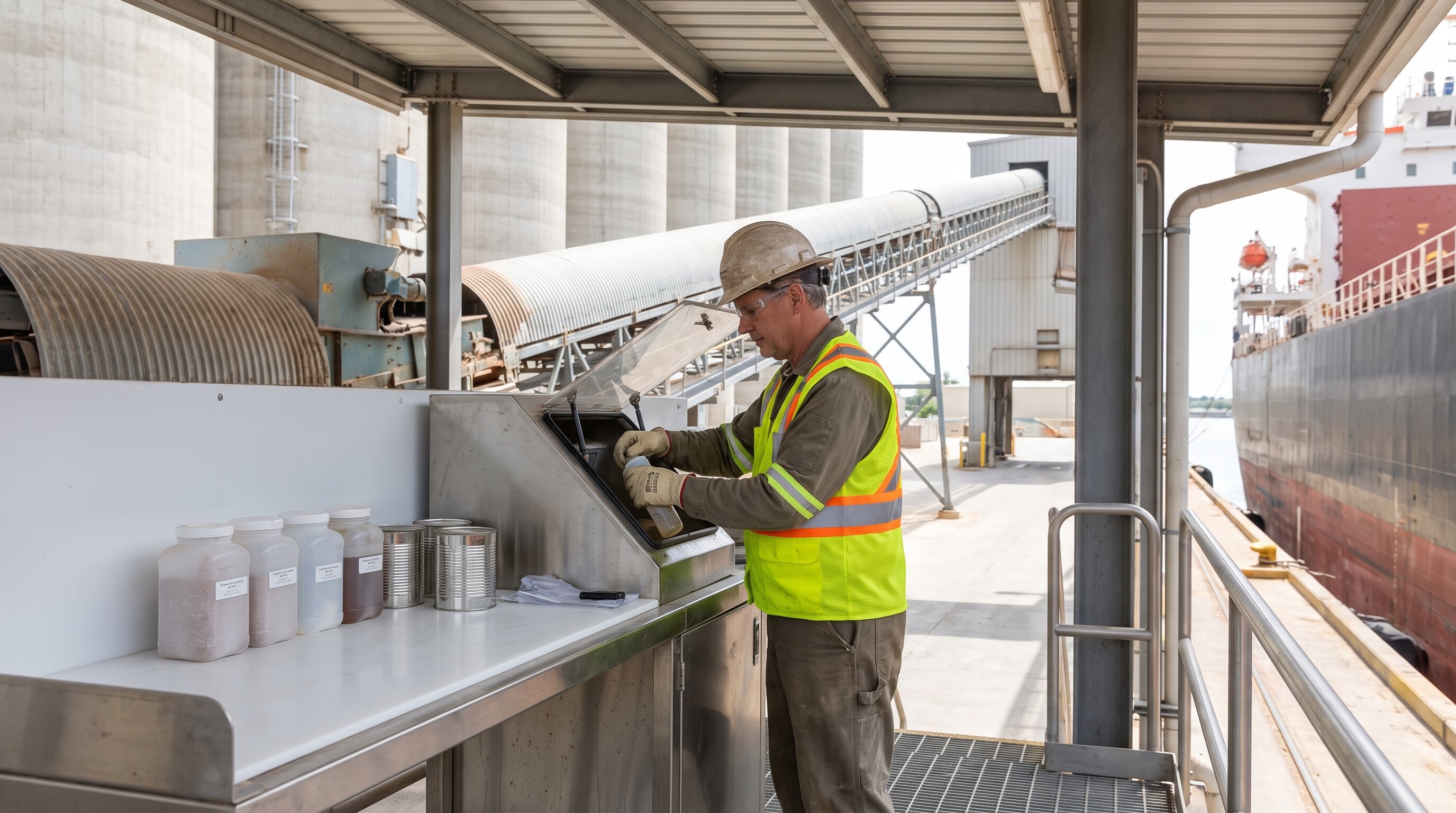
The document set may include a certificate of analysis, phytosanitary certificate, fumigation evidence where required, certificate of origin, independent sampling and weight records, inspection and transport documents.
Product, import, inspection, customs and documentation requirements are confirmed for the actual destination, importer and declared end use.