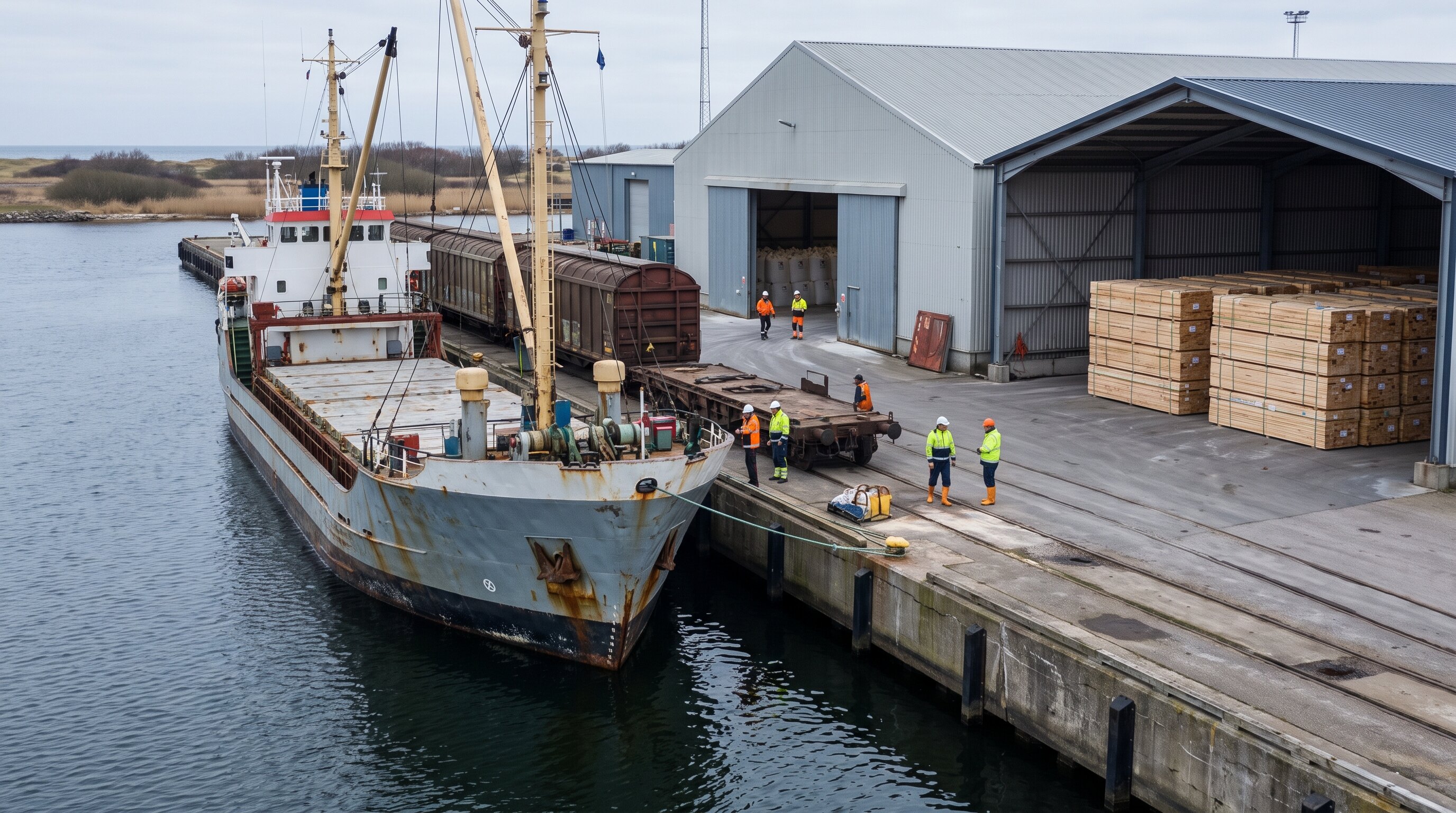
Baltic origin and route assessment
A proposed Russian-origin or other Baltic loading is assessed against the buyer's product, destination, timing and risk requirements, alongside any other evidenced options in the live file.
References to ports or past shipments describe corridor knowledge. The authorised seller, terminal and carrier must confirm current supply, authority, access and sailing feasibility for the specific transaction.
Route points a live proposal may use
Vysotsk
A Vysotsk proposal requires berth-level review because separate operators and facilities at the same port can have different ownership, service and sanctions profiles.
Ust-Luga
Ust-Luga may be considered for fertilizer, timber and other bulk or general cargoes. Evidence of seller authority, terminal acceptance, vessel availability and the current banking and insurance route must be reviewed before the route is presented as feasible.
St Petersburg area
General cargo and timber options may arise through the wider St Petersburg port complex. Product, terminal, packaging and destination-document requirements determine whether the route fits.
Baltic route questions
- Is the seller authorised and the supply confirmed?
- Which legal entity operates the terminal and berth?
- Does the vessel and service chain pass current review?
- What inspection and certification can be completed at origin?
- Does the destination accept the proposed document set?
- Is the longer or more complex freight basis competitive against other origins?
Entity, ownership, port and service restrictions can change. Current review determines whether a proposed Baltic transaction is legally permissible and acceptable to the relevant banks, carriers and insurers.
Destination qualification
A Baltic proposal can be assessed for an agreed international destination. The importer, product, inspection, customs and documentation requirements are confirmed for the actual destination and declared end use. Where Sarpah publishes a destination-specific market guide, it remains secondary planning material rather than transaction approval.
Assess a Baltic option
Provide the commodity, specification, quantity, preferred or acceptable origin, destination, shipment window and proposed payment structure.