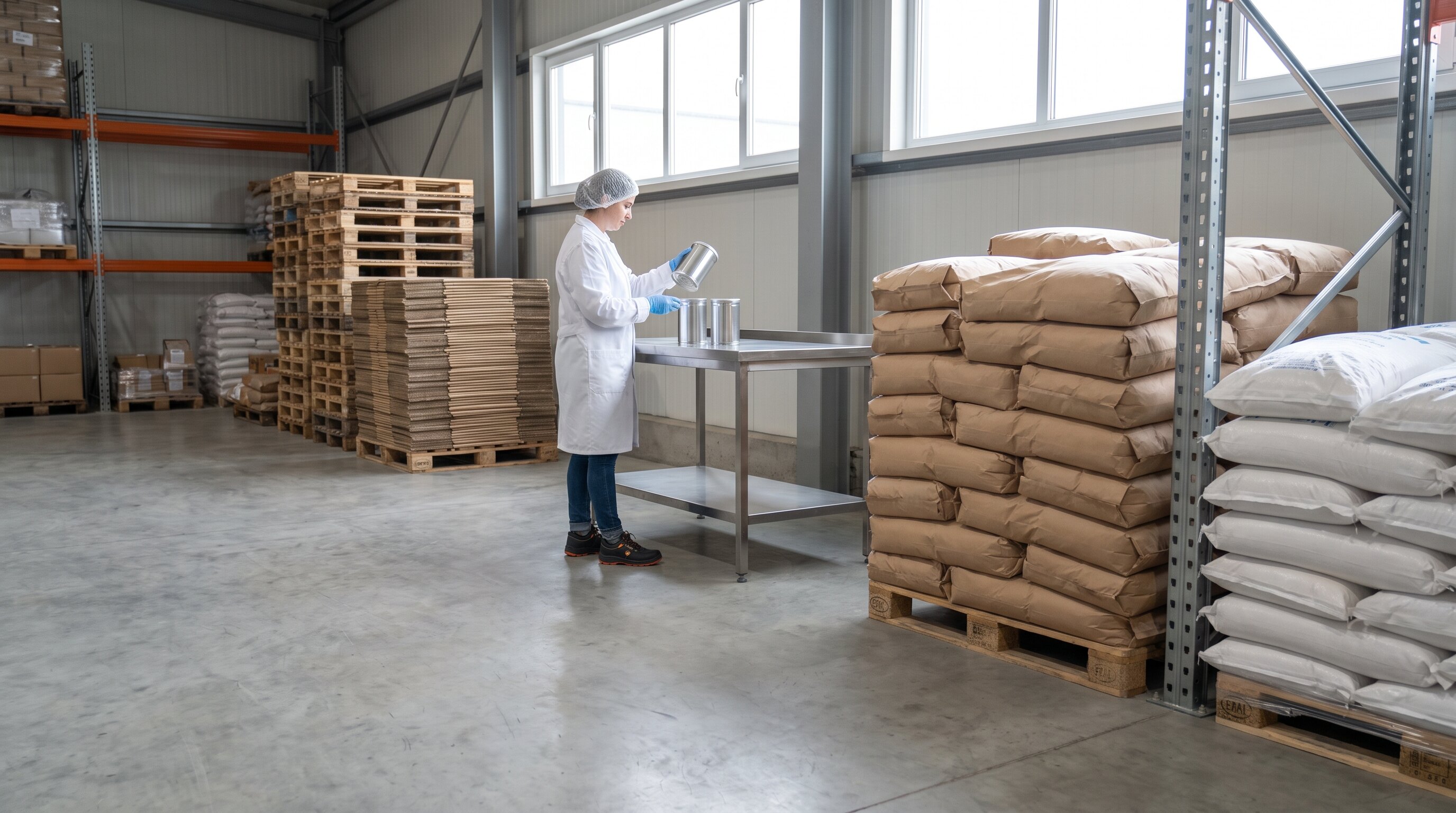
What the buyer specifies
- Skimmed or whole milk powder and intended use
- Protein, fat, moisture, microbiological and residue limits
- Applicable Codex, national or buyer standard
- Quantity, bag size, palletisation and container requirements
- Preferred origin and acceptable alternatives
- Destination, shipment window, inspection and payment structure
Codex Alimentarius CXS 207 may be used as a reference where appropriate. The live offer and final contract set the binding composition, packing and shelf-life requirements.
Origin and delivery options
Suitable origins are assessed against the buyer’s specification, quantity, shipment window, destination and landed economics. The live offer identifies the proposed producer or seller, country of origin, load point, quantity and route.
Each proposed transaction is reviewed using the actual origin, counterparties, banks, vessel or carrier, route and destination.
Dry-container movement may be suitable where the agreed product, packaging and storage plan support it.
The parties select the appropriate Incoterms® 2020 rule only after confirming the transport mode and exact named port or place.
Food-safety and destination documents
The file may include a veterinary or health certificate, certificate of analysis, certificate of origin, weight evidence, inspection record and transport documents. Requirements depend on the origin, product and destination.
Product, import, inspection, customs and documentation requirements are confirmed for the actual destination, importer and declared end use.